

Course Location:
1st Floor, Jayco Building, 545 Wairakei Road, Burnside 8053, Christchurch
Course Dates:
Contact us to confirm availability
Course Timeframe:
1-2 Hours
Course Pre-requisite:
Written and oral English skills equivalent to NCEA Level 1 (Year 11) or an IELTS score of 5.5 or higher.
Course Outline
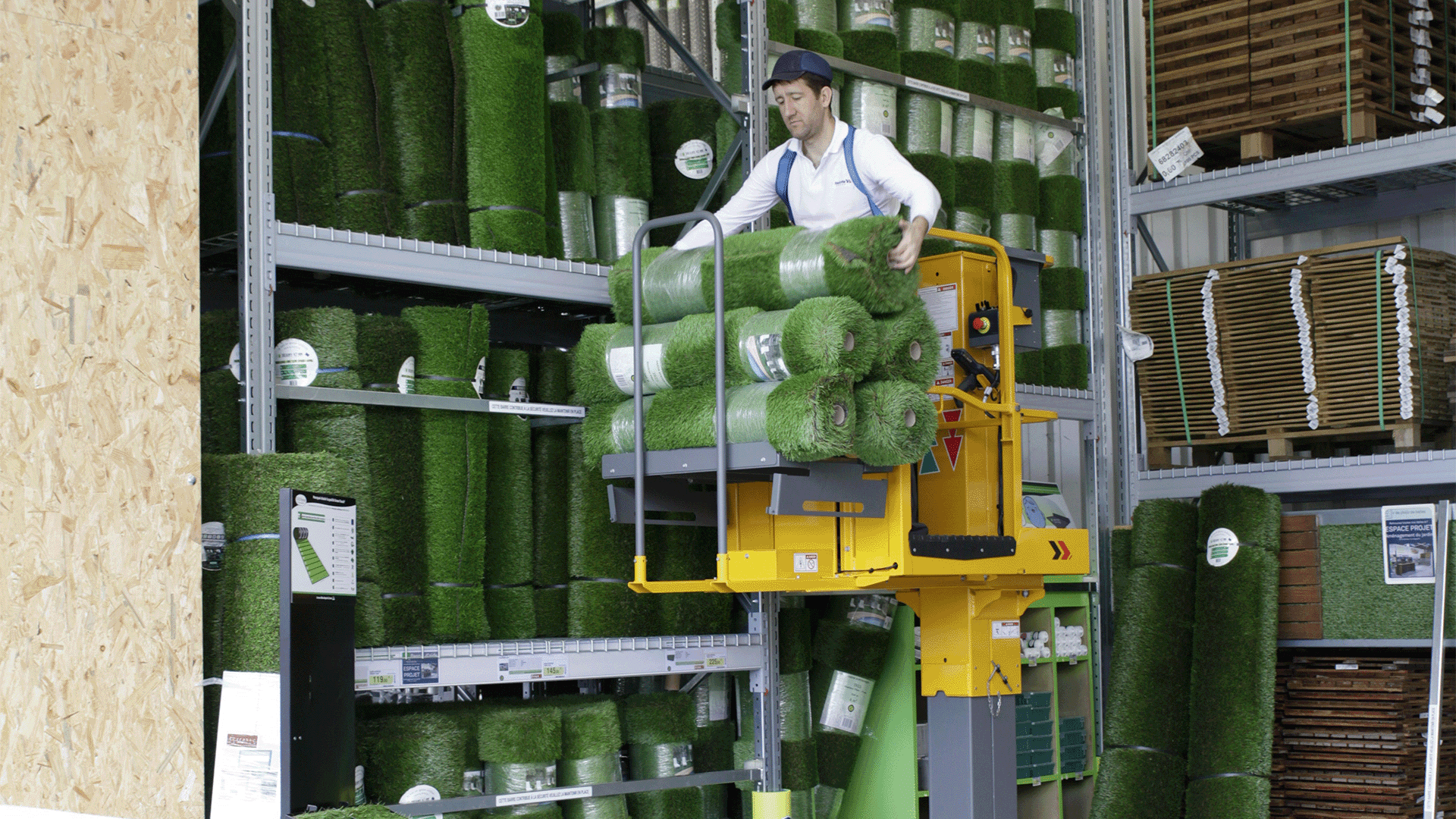
This course combines theoretical learning with hands-on practical exercises, focusing on the operation and safety checks of vertical lifts. You will learn how to operate the machine safely, conduct thorough pre- and post-operation inspections, and respond appropriately to various safety hazards.
Key Training Components:
Safety Pre-Checks
Before operating a vertical lift, conducting a thorough safety pre-check is essential to identify any potential risks or mechanical issues. Key pre-checks include:
- Visual Inspection: Check the entire lift for any visible damage or wear, such as cracks, dents, or missing components on the platform, boom, or frame.
- Stability and Ground Conditions: Ensure the lift is on level, stable ground, free from obstructions, and capable of supporting the weight of the lift. Avoid operating on soft or uneven surfaces that could cause tipping or instability.
- Battery or Power Supply: Verify that the lift is fully charged or has sufficient fuel to complete the intended job. Ensure that the power system is functioning properly, with no exposed wires or electrical issues.
- Hydraulic System: Inspect hydraulic lines, hoses, and connections for any signs of leakage or damage. Test the hydraulic system to ensure the boom and platform move smoothly.
- Safety Features: Check that all safety systems are operational, including emergency lowering systems, alarms, tilt sensors, and limit switches.
- Platform Inspection: Ensure the platform is secure, free of debris, and equipped with functioning guardrails. Check that the platform’s load limit is clearly marked and adhered to.
- Control Systems: Test all controls, including the lift’s movement and platform height adjustments, to ensure they are responsive and in good working condition.
Safe Operation of the Vertical Lift
During the course, you will be taught the safest and most effective ways to operate the vertical lift. This includes:
- Understanding the Controls: Learn how to operate the lift’s control systems to raise and lower the platform, adjust tilt and position, and move the lift in various directions. Ensure you are familiar with emergency controls.
- Platform Positioning and Stabilisation: Always position the platform correctly to avoid overloading or tipping. Ensure the lift is stable and positioned on solid, level ground before use. When the lift is in operation, maintain the platform within the manufacturer’s safe operating limits.
- Safety at Height: Adhere to safe working practices when operating at height. Keep your body within the confines of the platform, avoid leaning out too far, and always wear appropriate personal protective equipment (PPE).
- Load Limits: Never exceed the platform’s rated weight capacity. Ensure any tools, equipment, or personnel on the platform are within the specified limits to maintain balance and stability.
- Environmental Awareness: Be aware of potential hazards such as overhead power lines, high winds, or unstable surfaces. Always adjust your operation based on environmental conditions.
- Navigating Obstacles: Identify and avoid obstacles while operating the lift, and always ensure that other workers are aware of your movements when working near the lift.
- Communication: If working in a team, establish clear communication protocols to ensure everyone is aware of the lift’s movements and the work being carried out.
Safety Post-Checks
After using the vertical lift, post-operation safety checks are crucial to ensure the machine is safely stored, secured, and ready for the next use. Post-checks include:
- Lowering the Lift: Lower the platform to the ground carefully, ensuring all movements are slow and controlled to avoid sudden shifts or jerks.
- Power Down: Turn off the lift’s power system and disconnect the battery if necessary. Ensure the lift is completely powered off before leaving the site.
- Inspect for Damage: Perform a final inspection for any damage, such as hydraulic fluid leaks, dents, or worn components that may have occurred during operation.
- Cleaning: Clean the lift to remove dirt, debris, or hazardous substances that could affect its functionality. This also helps preserve the equipment’s lifespan.
- Stabilisers and Storage: Ensure the stabilisers if fitted, are properly retracted and stored, and that the lift is safely secured for transport or storage.
- Documenting the Inspection: Complete any necessary inspection logs or maintenance reports to document the lift’s condition after use.
Need To Know
Upon successful completion of the Unit Standard 23964: Vertical Lift course, you will have the knowledge and practical experience to operate a vertical lift safely, perform safety inspections, and ensure the lift is in good working condition before and after use. You will also understand the safety precautions necessary when working at height.
Booking / Pricing
DURING BOOKING
When completing booking form please provide.
- Compulsory details of attendee’s Name, Phone and Email
- If booking on behalf of attendee, please complete all Billing Fields
HOW TO PAY
During booking process you can select either payment options.
- Invoice: Select ‘pay in person’ to receive invoice for payment
- Debit/Credit Card: Select ‘credit/debit card‘ (+2.5% Transaction Fee)
- Pricing provided is GST exclusive