

Course Location:
1st Floor, Jayco Building, 545 Wairakei Road, Burnside 8053, Christchurch
Course Dates:
Contact us to confirm availability
Course Timeframe:
1-2 Hours
Course Pre-requisite:
Written and oral English skills equivalent to NCEA Level 1 (Year 11) or an IELTS score of 5.5 or higher.
Course Outline
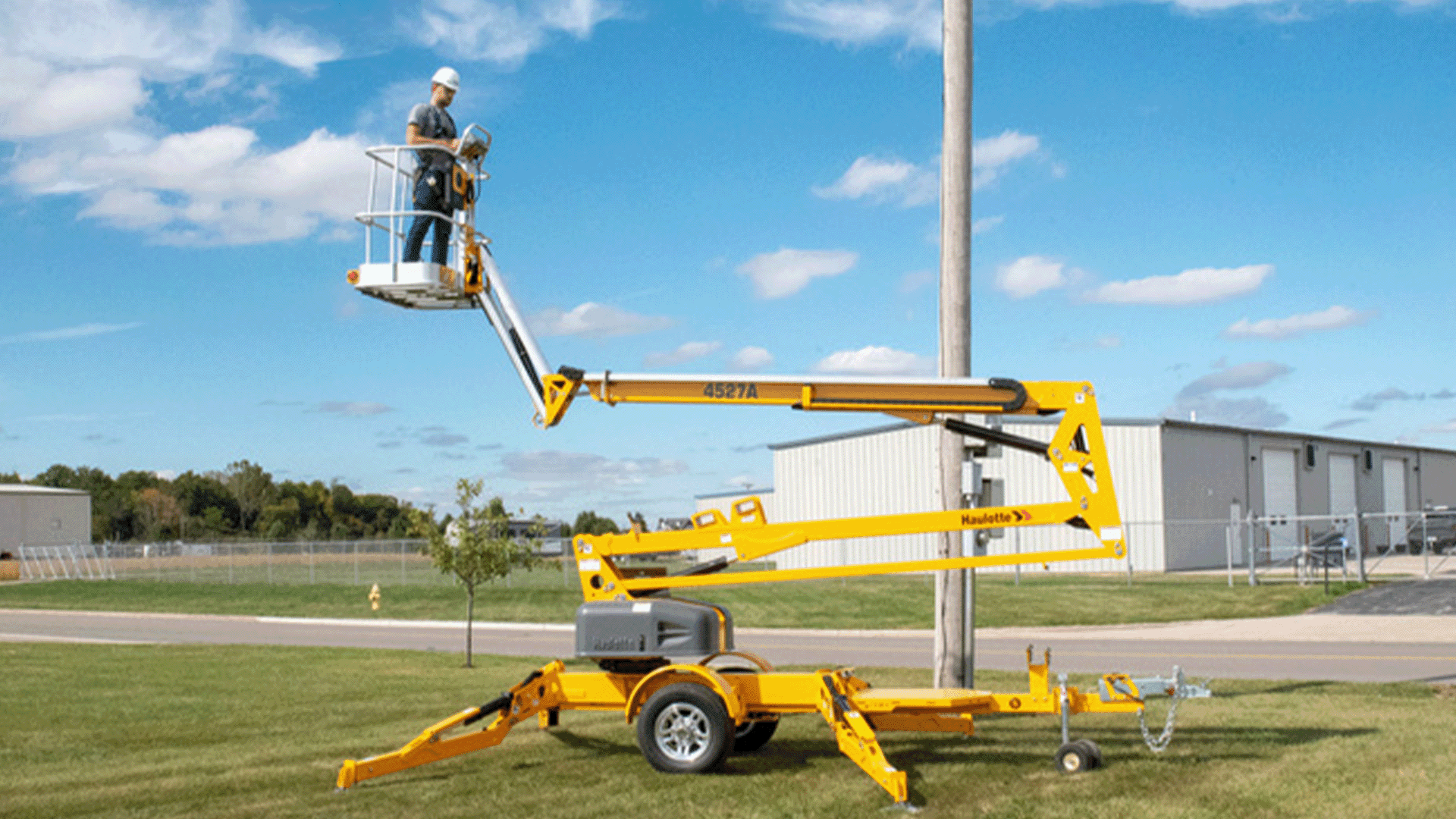
This course is a blend of theory and practical training, focusing on trailer-mounted lifts. It covers safety pre-checks, safe operation, and post-operation checks to ensure that equipment is properly maintained and used within safety standards.
Key Training Components:
Safety Pre-Checks
Before operating a trailer-mounted lift, thorough pre-operation safety checks are crucial to ensure the equipment is in good working condition. Key pre-checks include:
- Visual Inspection: Inspect the lift for any visible damage such as cracks, dents, or signs of wear on the frame, boom, platform, and stabilisers.
- Stabilisers and Outriggers: Ensure that the stabilisers or outriggers are functioning correctly and can be deployed safely. Check for any hydraulic leaks or issues that could affect stability.
- Towing Mechanism: If the trailer-mounted lift is attached to a towing vehicle, check the coupling, brakes, and lights to ensure the trailer is safely hitched.
- Power Systems: Verify that the lift’s power supply is functioning properly, whether it’s battery-powered, electric, or fuel-driven. Ensure the battery is charged or the fuel tank is filled.
- Control Systems: Test the controls to ensure they are responsive and all buttons and safety mechanisms are working as expected.
- Platform and Guardrails: Check the platform for any damage or obstructions. Ensure guardrails are intact and properly secured.
- Ground Conditions: Assess the ground or surface where the lift will be positioned. It must be level, stable, and free from obstacles.
Safe Operation of the Trailer Mount Lift
The course will teach you the safest and most efficient methods for operating the trailer-mounted lift. Key operational guidelines include:
- Understanding the Controls: Learn how to properly use the lift’s control panel, including raising and lowering the boom, adjusting the platform, and navigating the lift in different directions.
- Platform Positioning: Position the lift platform correctly to reach work areas while maintaining full stability. Never extend the platform beyond the safe operating limits specified by the manufacturer.
- Stabilisation: Ensure that the trailer lift is stable before operation by deploying the outriggers or stabilisers properly. Always check for stability when extending the boom to high levels or when the platform is loaded.
- Towing and Transporting: Understand the proper procedures for towing the trailer lift to different job sites. Always follow safe towing practices, checking lights, brakes, and securing mechanisms before transportation.
- Hazard Awareness: Identify potential hazards such as overhead power lines, uneven ground, or unstable surfaces, and avoid them whenever possible. Ensure the work area is clear of other people and obstacles to minimise risk.
- Weather Considerations: Be aware of environmental conditions like wind, rain, or extreme temperatures that may affect the stability and safety of the lift. Avoid operation in unsafe weather conditions.
Safety Post-Checks
After operating the trailer-mounted lift, post-operation checks are necessary to ensure the machine is safely secured and ready for future use. These checks include:
- Lowering and Stowing the Lift: Fully retract the lift’s boom and lower the platform. Ensure that the boom and any extendable components are securely stored.
- Stabilisers and Outriggers: Ensure the stabilisers or outriggers are properly retracted and locked in place.
- Power Down: Turn off the lift’s power system and disconnect the battery if required.
- Inspection for Damage: Perform a final visual inspection for any damage that might have occurred during operation. Look for hydraulic leaks, loose parts, or structural issues.
- Cleaning the Lift: Clean the lift and remove any debris or dirt that might have accumulated during use. This helps to preserve the equipment’s functionality and prolong its lifespan.
- Documentation: Complete any required inspection forms or logs to document the condition of the equipment.
Need To Know
Upon completing the Unit Standard 23963: Trailer Mount Lift course, you will be proficient in conducting thorough pre- and post-operation checks, operating the machine safely, and ensuring compliance with safety regulations. You will have the skills to use the equipment in various work environments while maintaining the highest safety standards.
Booking / Pricing
DURING BOOKING
When completing booking form please provide.
- Compulsory details of attendee’s Name, Phone and Email
- If booking on behalf of attendee, please complete all Billing Fields
HOW TO PAY
During booking process you can select either payment options.
- Invoice: Select ‘pay in person’ to receive invoice for payment
- Debit/Credit Card: Select ‘credit/debit card‘ (+2.5% Transaction Fee)
- Pricing provided is GST exclusive