

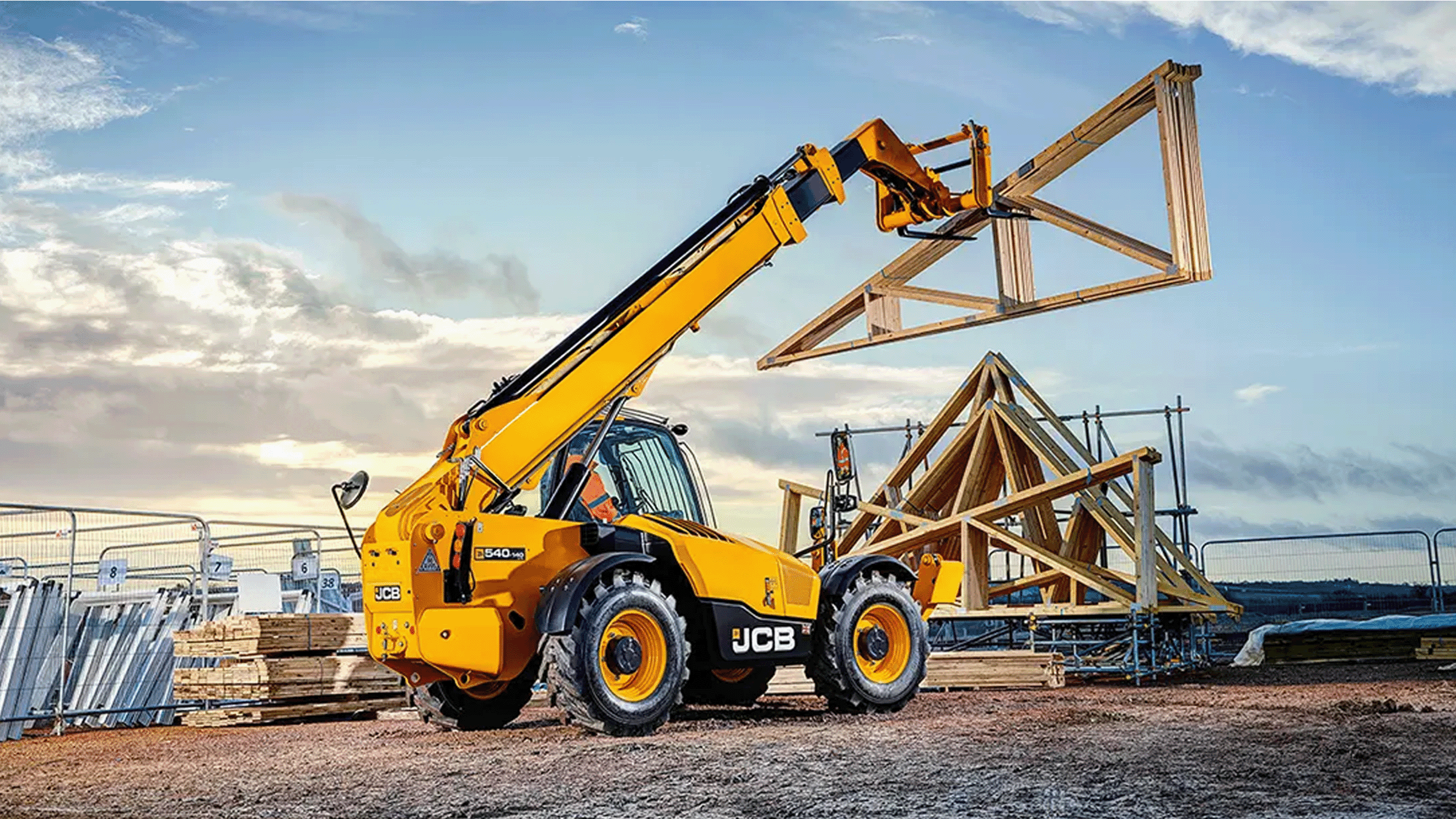
Course Location:
1st Floor, Jayco Building, 545 Wairakei Road, Burnside 8053, Christchurch
Course Dates:
Contact us to confirm availability
Course Timeframe:
2-3 Days
Course Pre-requisite:
Written and oral English skills equivalent to NCEA Level 1 (Year 11) or an IELTS score of 5.5 or higher.
Course Outline
Safety Pre-Checks
Before operating a telehandler, ensure it’s safe for use:
- Visual Inspection: Check for structural damage, tyre condition (pressure, tread), leaks, and attachment integrity.
- Hydraulic Systems: Test boom movement, stabilizers (if fitted), and hydraulic lines.
- Power Systems: Verify fuel/diesel levels, battery charge, and engine functionality.
- Controls & Safety Features: Test Load Moment Indicator (LMI), alarms, emergency stops, and cab controls.
- Attachments: Inspect forks, buckets, or NZ-specific tools (e.g., bale spikes, jibs) for wear and secure connections.
Safe Operation with Attachments
Learn to operate telehandlers safely with various attachments:
- Control Systems: Master boom extension/retraction, steering modes (2-/4-wheel), and attachment controls.
- Attachment Handling: Safely use NZ common attachments (e.g., pallet forks, silage grabs, lifting platforms).
- Load Management: Interpret load charts, balance loads, and respect Safe Working Load (SWL) limits.
- Terrain Navigation: Operate on slopes, muddy paddocks, and uneven construction sites while maintaining stability.
- Hazard Awareness: Avoid overhead power lines, unstable ground, and environmental obstacles.
Safe Work Practices
Reduce risks with best practices:
- Stability Management: Avoid tip-overs by understanding load centres and terrain limitations.
- Communication: Use NZ-approved hand signals and spotters in shared workspaces.
- Weather & Environment: Adjust operations for rain, wind, or rough terrain (common in NZ).
- Working at Height: Secure personnel platforms and avoid unsafe lifting angles.
Post-Operation Checks
Ensure equipment is secure and ready for future use:
- Shutdown Procedure: Retract boom, lower attachments, park on level ground, and power down.
- Post-Use Inspection: Check for new damage, leaks, or tyre wear caused during operation.
- Attachment Care: Clean, store, and log any issues with attachments.
- Documentation: Complete WorkSafe NZ-compliant logbooks and report defects.
NZ-Specific Focus
- WorkSafe Compliance: Align with Health and Safety at Work Act 2015 and WorkSafe NZ guidelines.
- Attachments: Training on NZ agriculture/forestry tools (e.g., log grabs, bale clamps).
- Terrain Challenges: Master muddy farm paddocks, steep construction sites, and forestry terrain.
Certification
- Connexis Assessment: Pass a NZQA Approved Connexis theory test (NZ regulations, load charts) and practical evaluation (pre-checks, obstacle course).
- Validity: Certification valid for 3 years (refresher recommended).
Need To Know
YOU ARE NOT LICENSED TO DRIVE A TELEHANDLER WITHOUT THE APPROPRIATE ENDORSEMENT (DEPENDING ON THE ATTACHMENT F, W) ON A NEW ZEALAND ROAD UNTIL you have submitted your NZ Transport Agency Certificate to either VTNZ or AA and received your (Temporary) Licence that displays the appropriate Endorsement(s)