

Course Location:
1st Floor, Jayco Building, 545 Wairakei Road, Burnside 8053, Christchurch
Course Dates:
Contact us to confirm availability
Course Timeframe:
4 Hours Approx
Course Pre-requisite:
- Written and oral English skills equivalent to NCEA Level 1 (Year 11) or an IELTS score of 5.5 or higher
- Must hold a current Skill Standard 40735
Course Outline
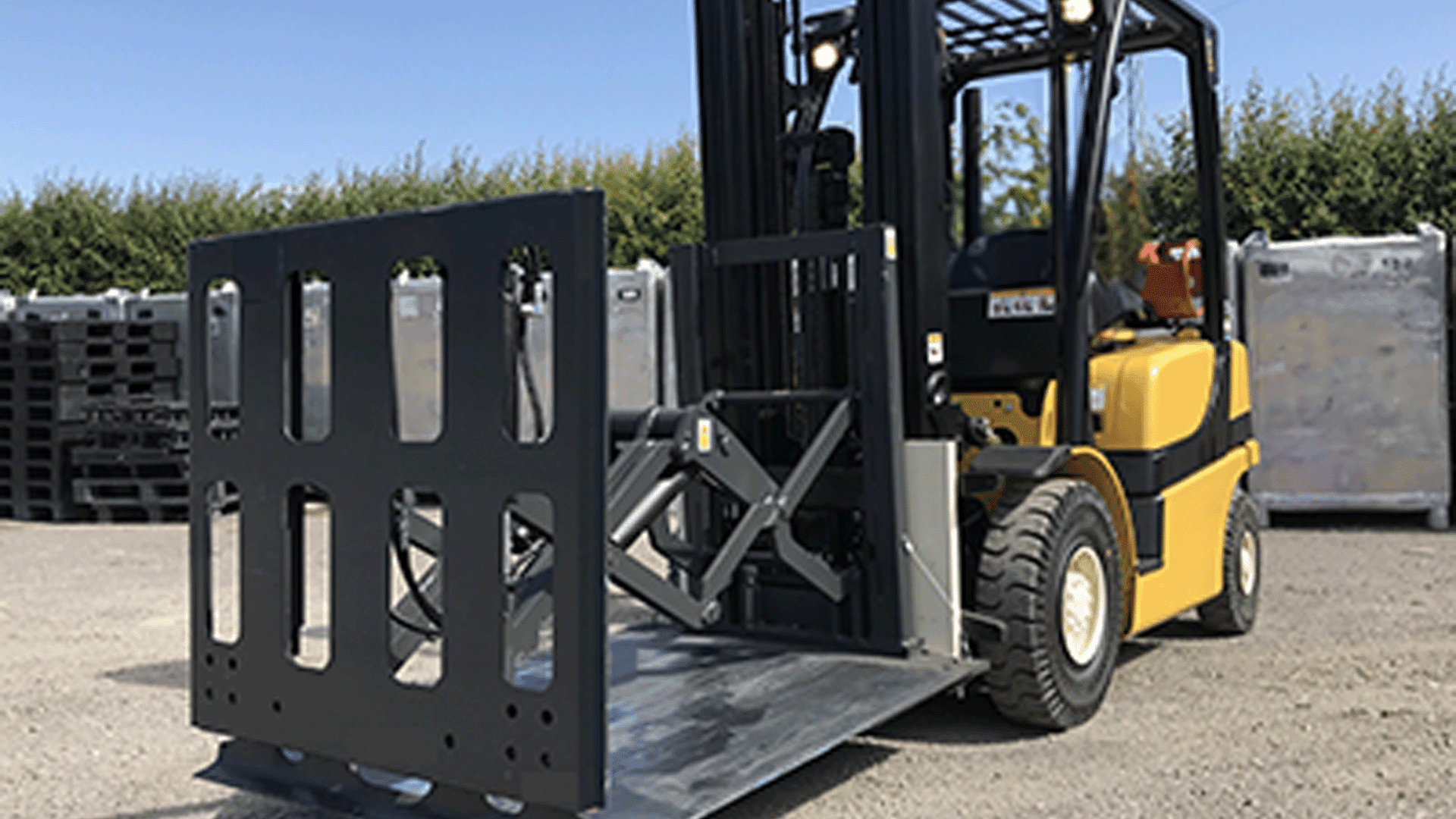
This course is designed for individuals who wish to operate a powered industrial lift truck (forklift) equipped with attachments. The training includes both theory and practical components, enabling participants to develop the skills required to safely attach, inspect, and detach various attachments. Upon completion, you will be able to operate forklifts with attachments safely and efficiently in a range of industries, including logistics, warehousing, and construction.
Key Training Components:
Safety Pre-Checks
Before using any forklift attachment, it’s essential to ensure that the equipment is in safe working condition. The pre-checks will focus on the following areas:
- Visual Inspection: Check the attachment for visible damage, wear, or malfunctioning parts.
- Hydraulic Systems and Attachments: Inspect the hydraulic lines, attachments, and load-handling devices. Ensure that all parts are functioning properly.
- Power Systems: Verify the battery or fuel levels and ensure that the forklift’s power system is fully operational.
- Tyres and Stability: Inspect tyres for wear and ensure the forklift is stable and ready for use.
- Control Systems and Safety Features: Test all controls (including those for attachments) and ensure that safety features such as emergency stop buttons, alarms, and limit switches are operational.
Safe Operation of a Forklift with Attachments
Operating a forklift with attachments requires both skill and precision. This section will teach you how to safely and effectively use a forklift with different types of attachments, including pallet forks, clamps, and lifting platforms.
- Understanding the Controls: Learn how to operate the forklift’s control systems, including moving the lift, using attachments, and adjusting height and tilt.
- Attachment Handling: Understand the different types of attachments, their uses, and how to safely load and unload materials with them.
- Manoeuvring the Forklift: Learn the safe practices for manoeuvring the forklift, including turning, driving on ramps, and navigating narrow spaces with attachments.
- Load Handling: Understand how to safely lift, transport, and place loads with various attachments while maintaining stability and within weight limits.
- Workplace Safety: Maintain a clear and safe workspace around the forklift, ensuring no one is in the immediate danger zone while operating the lift.
- Weather and Environmental Conditions: Learn how weather and terrain conditions can affect forklift operation and what safety measures should be taken.
Safe Work Practices
During this section, you will learn about the best practices to reduce the risk of accidents while operating a forklift with attachments:
- Load Handling: Proper techniques for loading and unloading heavy or bulky materials, ensuring safe lifting, stacking, and lowering.
- Stability Management: Tips for maintaining stability when lifting, especially with heavy or uneven loads.
- Safe Working at Heights: Operating the forklift at height with attachments and ensuring that the platform is secure and safe for personnel.
- Environmental Hazard Awareness: Identifying and avoiding hazards such as overhead power lines, wet surfaces, and other environmental obstacles.
- Communication: Effective communication with team members, especially when operating the forklift in shared spaces or near others.
Post-Operation Checks
After completing tasks, post-operation checks are essential to ensure the forklift and attachments are secure and ready for future use. Key activities include:
- Lowering the Forklift: Carefully lower the attachment to ground level and ensure the forklift is in a secure position.
- Powering Down: Turn off the forklift and secure the power source.
- Attachments: Ensure that any attachments are properly stored and checked for damage or wear.
- Inspection for Damage: Conduct a thorough inspection for any damage caused during operation, including hydraulic leaks, structural damage, or wear on the forklift and attachments.
- Cleaning: Clean the forklift to remove any debris or contaminants and log and report any identified hazards and/or faults.
- Documentation: Complete any required inspection reports or maintenance logs to document the condition of the forklift and attachments.
Need To Know
Upon completion of the Skill Standard 40736: Operate a Forklift fitted with an attachement course, you will have the competence to safely operate a powered industrial lift truck (forklift) fitted with various attachments. You will understand the safety pre-checks, operational procedures, and post-operation maintenance checks necessary to ensure the safe and efficient use of forklifts with attachments. Additionally, you will be equipped with the skills to assess environmental hazards, communicate effectively, and follow best safety practices while operating in different workplace settings.