
Course Location:
1st Floor, Jayco Building, 545 Wairakei Road, Burnside 8053, Christchurch
Course Dates:
Contact us to confirm availability
Course Timeframe:
2-3 Hours
Course Pre-requisite:
Written and oral English skills equivalent to NCEA Level 1 (Year 11) or an IELTS score of 5.5 or higher.
Course Outline
This course covers both the theory and regulatory aspects of working with elevating work platforms. You will learn about the various types of MEWPs, their features, and the legislative requirements that govern their use. The course is designed to ensure you are aware of industry standards, safety practices, and compliance measures when operating or working with MEWPs.
Key Training Components:
Types of Elevating Work Platforms (MEWPs)
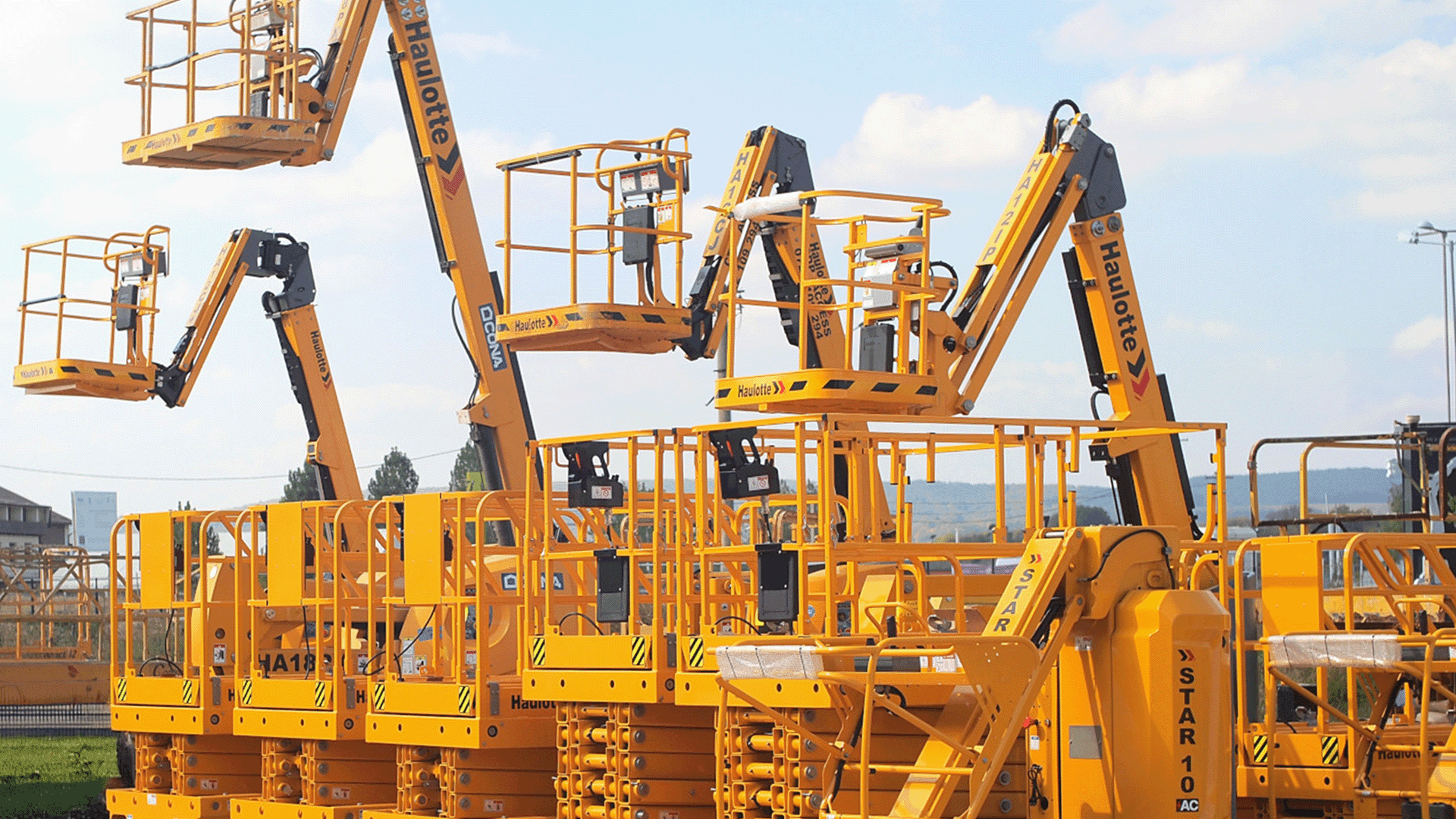
The course will introduce you to the various types of elevating work platforms commonly used in industry. You will learn about the different types, their features, and appropriate applications, including:
- Truck-Mounted Lifts: Discover the advantages of truck-mounted lifts, which provide mobility and rapid deployment for tasks requiring elevating access. These lifts are commonly used in utilities and maintenance where frequent relocation is needed.
- Scissor Lifts: Learn about the characteristics of scissor lifts, which provide a vertical lift with a stable platform. These are commonly used for tasks that require a fixed height.
- Boom Lifts (Articulating and Telescopic): Understand the differences between articulating (knuckle boom) and telescopic boom lifts, which offer horizontal outreach as well as vertical lift.
- Vertical Lifts: Explore the design and function of vertical lifts, which are ideal for working in tight spaces with straight-up-and-down access.
- Trailer-Mounted Lifts: Learn about the mobile nature of trailer-mounted lifts and their typical applications for outdoor, temporary access to high spaces.
- Personnel Lifts: Understand the smaller, more portable units used for light-duty tasks at height, ideal for maintenance or low-level access.
- Spider Lifts: Discuss the versatility of spider lifts, designed for navigating rough terrain and working in confined spaces.
Legislative Requirements for MEWP Use
A significant portion of the course focuses on the legal and regulatory responsibilities involved in operating MEWPs. This section ensures that you are familiar with the relevant safety regulations and compliance standards, including:
- Health and Safety at Work Act (HSWA): Learn how the HSWA applies to MEWP operation, including employer and employee responsibilities, risk assessments, and safety measures.
- Workplace Safety and Risk Management: Understand how to assess and manage risks when working with MEWPs, including safe work practices, hazard identification, and control measures.
- NZ WorkSafe Guidelines: Familiarise yourself with the specific regulations and guidelines from WorkSafe New Zealand that govern the operation of MEWPs on job sites.
- Operator Certification and Training Requirements: Understand the importance of proper training and certification for MEWP operators, and the requirements for achieving and maintaining qualifications.
- Maintenance and Inspection: Learn the legal requirements around the regular maintenance and inspection of MEWPs to ensure they are in safe working condition.
- Personal Protective Equipment (PPE): Understand the necessary PPE required for working at height, including harnesses, helmets, and other safety equipment.
Safe Operating Procedures
In addition to the legal requirements, the course will outline best practices for safely operating MEWPs, including:
- Pre-Operational Safety Checks: Learn how to conduct thorough safety checks before operating a MEWP to ensure it is safe and fully functional.
- Safe Work Practices: Understand safe operating techniques to minimise risks, including correct positioning of the MEWP, securing the work area, and ensuring stability.
- Emergency Procedures: Familiarise yourself with emergency protocols, including emergency lowering procedures and how to respond to mechanical or electrical failures.
- Workplace Safety: Learn to establish a safe work environment when using MEWPs, including managing pedestrians, marking hazards, and ensuring proper communication with other workers.
Need To Know
Upon completion of the Unit Standard 23966: Describe the Types of Elevating Work Platforms (MEWP) & Legislative Requirements for Their Use course, you will have a solid understanding of the different types of MEWPs, how they function, and the legislative requirements associated with their safe use. You will be equipped with the knowledge to work safely and comply with regulations, ensuring both your safety and that of your colleagues while using elevating work platforms.
Booking / Pricing
DURING BOOKING
When completing booking form please provide.
- Compulsory details of attendee’s Name, Phone and Email
- If booking on behalf of attendee, please complete all Billing Fields
HOW TO PAY
During booking process you can select either payment options.
- Invoice: Select ‘pay in person’ to receive invoice for payment
- Debit/Credit Card: Select ‘credit/debit card‘ (+2.5% Transaction Fee)
- Pricing provided is GST exclusive